
Program Overview
The following programs are hosted directly from the Washington NASA Space Grant Consortium lead institution. More programs at partner institutions can be found here.
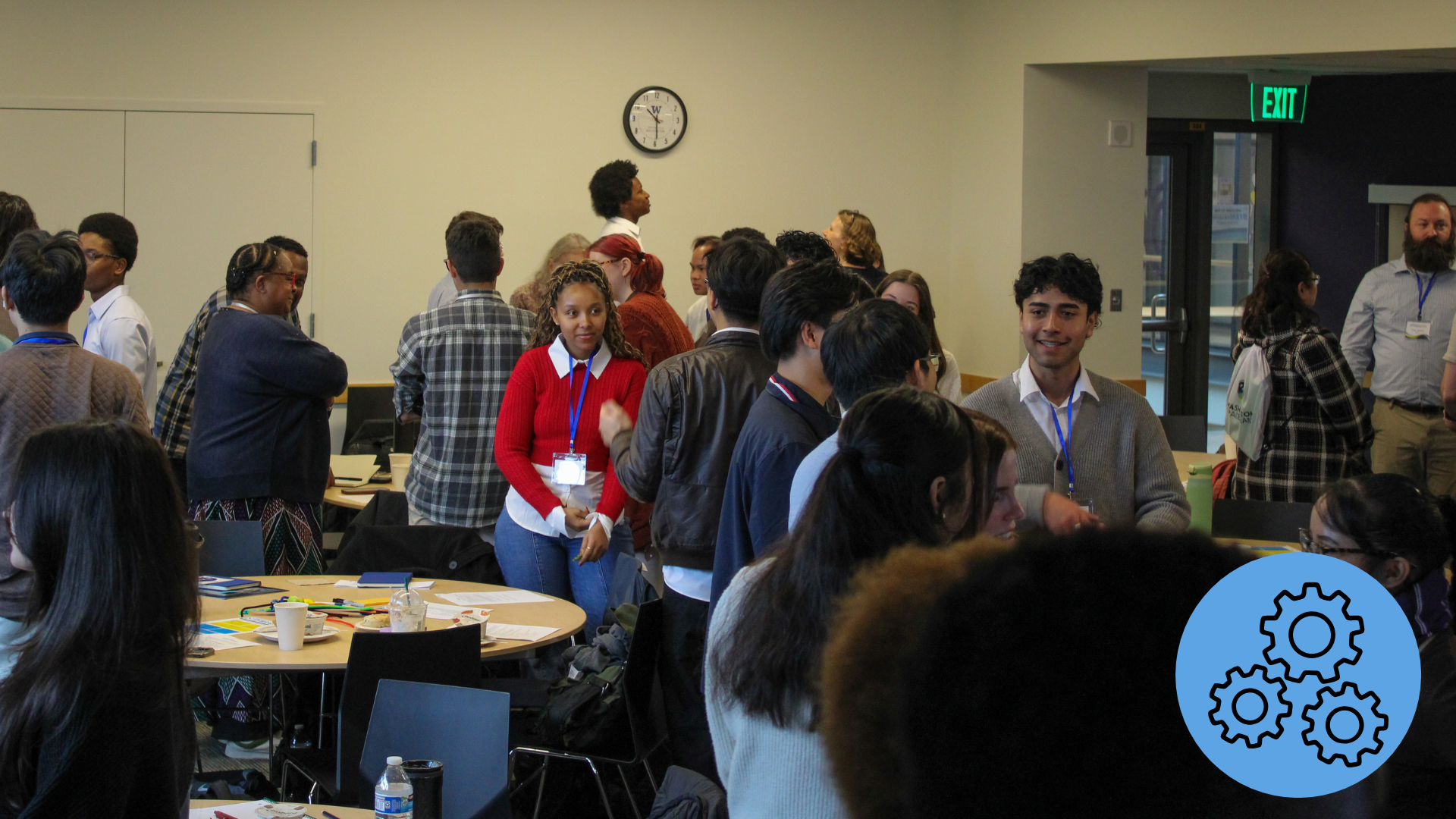
STEM Leadership Collective Workshop
2026 Application Closed. Check back next year!
One-day workshop on February 20, 2027
Eligibility: Ability to attend all-day workshop; 18 years or older; Currently enrolled in an accredited Washington college/university; and STEM Major.
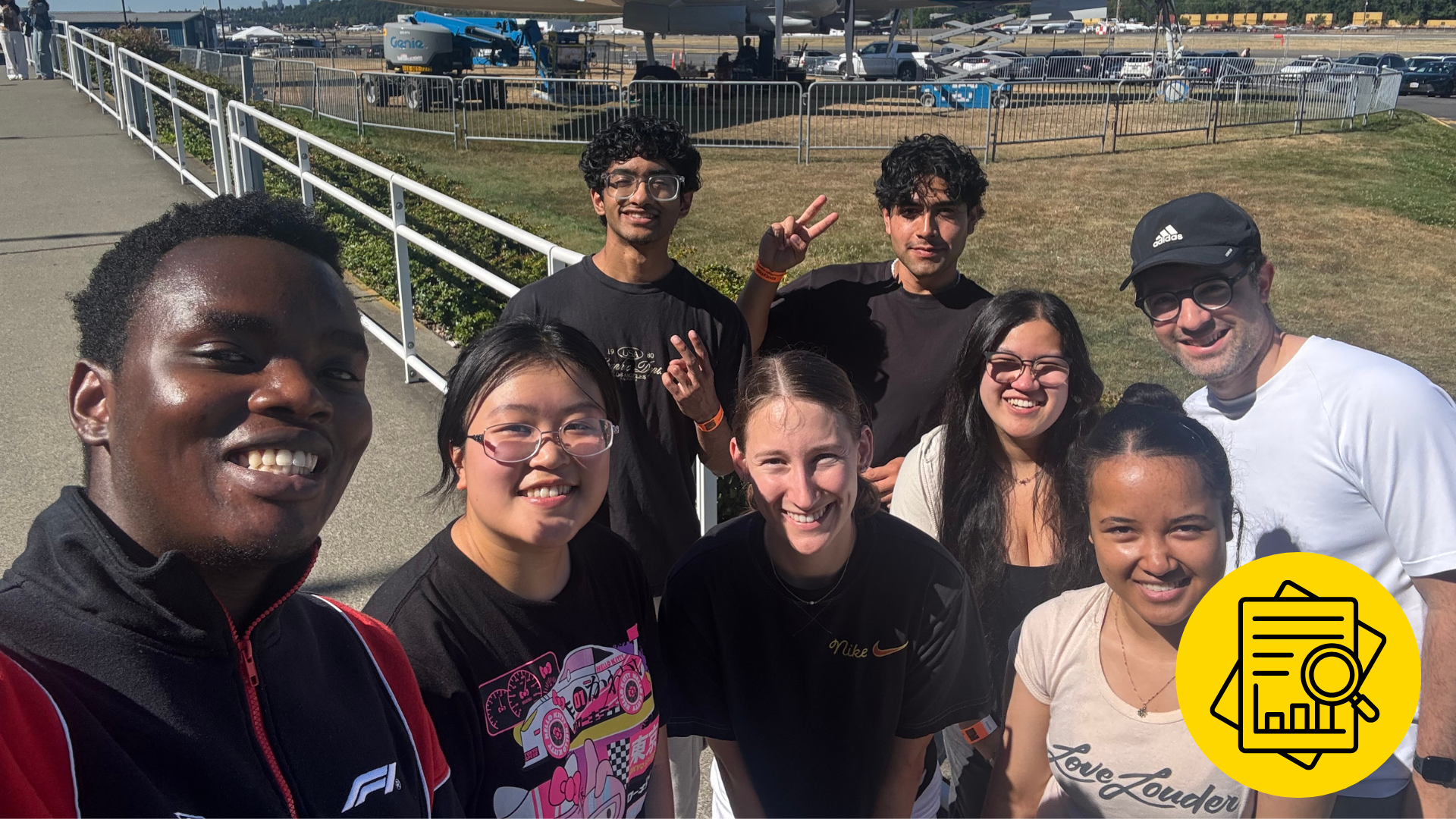
Summer Undergraduate Research Program (SURP)
2026-27 Application Closed. Check back next year!
Program Date: June 22 – Aug 21, 2026.
Eligibility: Must be available for entire duration; 18 years or older; Currently enrolled in any WASG institution; US Citizen or permanent resident; demonstrated financial need via FAFSA/WASFA; and STEM Major.
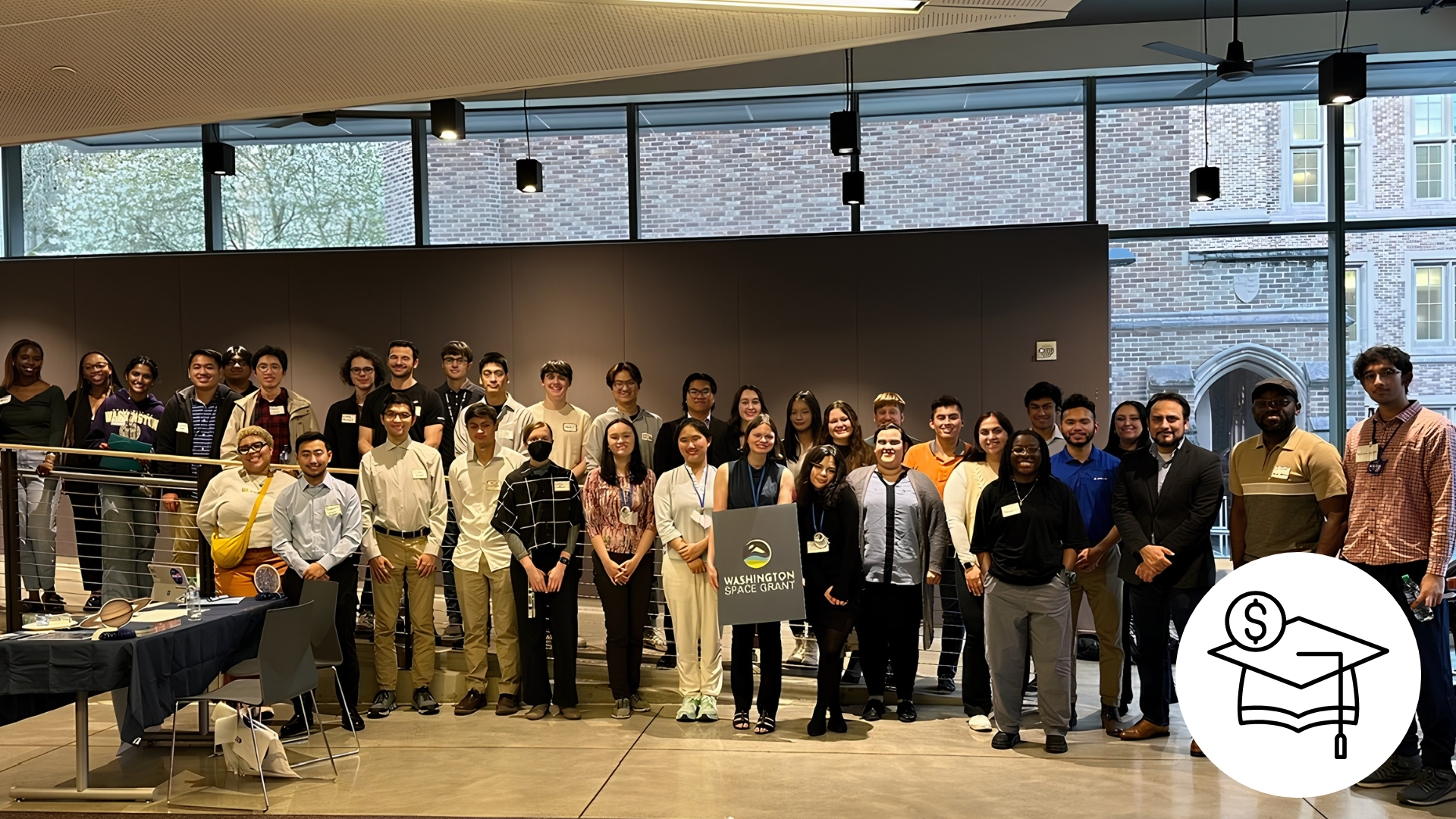
Undergraduate Scholarships
2026-27 Application Closed. Check back next year!
Award distributed evenly between Autumn, Winter, and Spring.
Eligibility: Current UW enrolled or admitted student; US Citizen or permanent resident; Must qualify for in-state tuition; demonstrated financial need via FAFSA/WASFA; and an approved STEM Major.
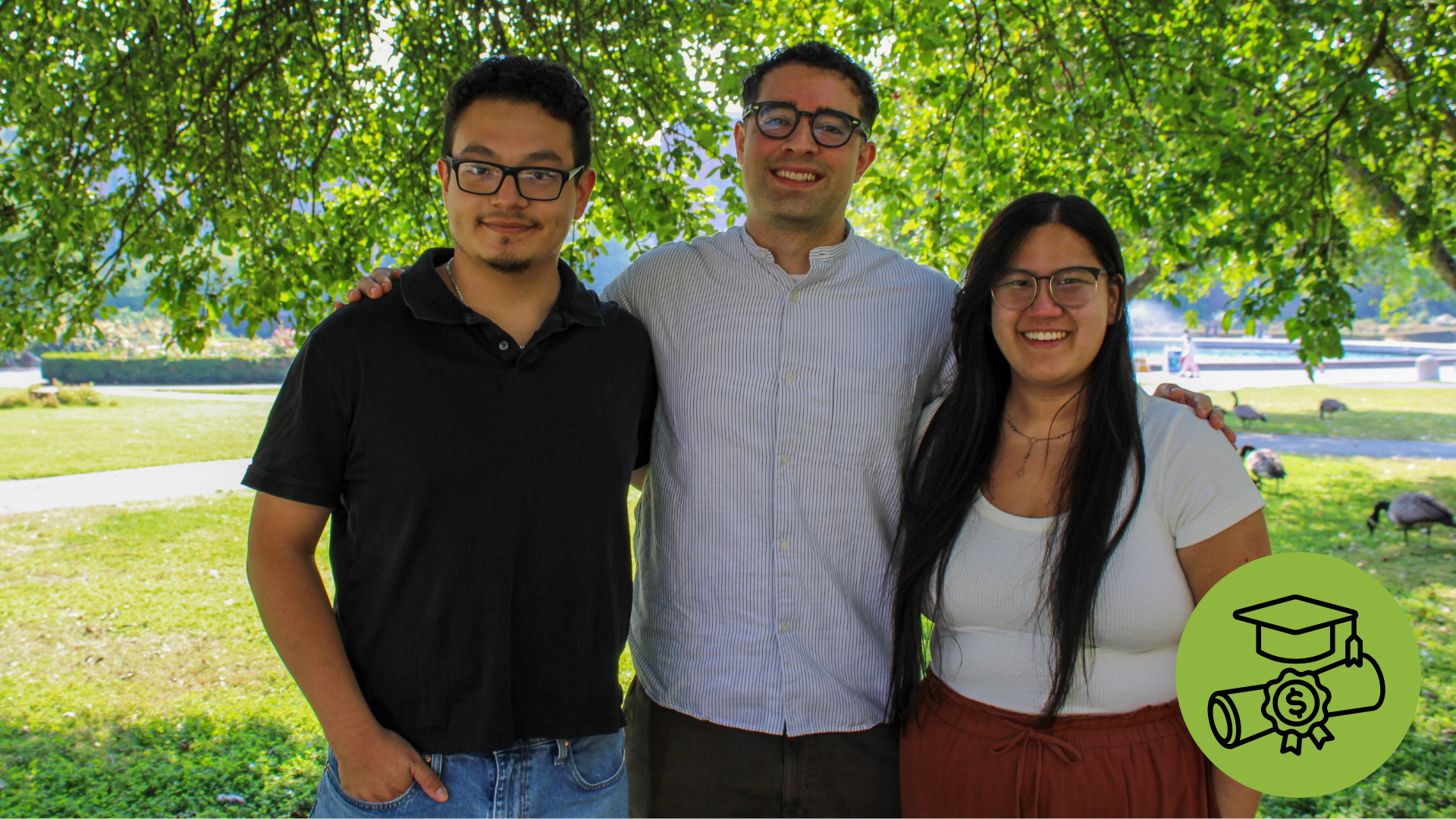
Graduate Fellowships
2026-27 Application Closed. Check back next year!
Award distributed evenly between Autumn, Winter, and Spring; and/or distributed evenly throughout duration of Summer Program.
Eligibility: UW enrolled graduate student; US Citizen; demonstrated financial need via FAFSA/WASFA; and STEM Major.
Application Timeline
| Application Opens | Application Closes | Award Period | |
|---|---|---|---|
| STEM Leadership Collective Workshop | Late November | Early January | One Day Event |
| Summer Undergraduate Research Program (SURP) | Early December | Late February | Summer |
| Undergraduate Scholarship | Early December | Late February | Fall, Winter, Spring |
| Graduate Fellowships | Early December | Late February | Fall, Winter, Spring, Summer |
Additional Information
Whether you are writing your first or tenth scholarship application essay, the following tips can help you write a compelling and authentic essay.
General Tips:
- Office of Merit Scholarships, Fellowships, and Awards – Offers general scholarship application tips, including how to structure essays and highlight your strengths.
- What is Lived Experience? – Understand how to articulate your personal background and identity with this helpful guide from the Office of Human Services Policy.
- Three-Minute Legal Talks: Race and Ethnicity in College Applications – Gain a quick legal overview of how race and ethnicity can be considered in your application process.
- GearUP Washington: Scholarship Resources – Explore scholarship opportunities and resources specifically for Washington state students, including mentorship and application support.
- Get Schooled – Offers free reviews of resumes and scholarship essays to help you stand out with clear, personalized feedback.
- The Dos and Don’ts of Using AI for Scholarship Applications – Learn how to use AI responsibly when writing or editing essays without crossing ethical lines.
Applying for Washington Space Grant Awards:
Your application will be evaluated on the following categories: Academic Goal and Motivation, Public Service, Lived Experiences, and Contribution to Cohort
NASA Space Grant’s objectives – Washington Space Grant is part of a national program funded by NASA. In your essay responses, highlight how your experience and goals align with Space Grant’s objective.
Washington Space Grant programs include regular opportunities for professional development and community building. It’s designed for students who are interested in connecting with others in a supportive environment. Students who are open to connection and engagement tend to get much more out of the experience. If you enjoy a cohort environment and are looking to grow alongside others, this program is designed with you in mind.
We place a strong emphasis on the driving force or motivation behind your academic pursuits. We are not expecting you to explain entirely new original research ideas.
Washington Space Grant recognizes that the use of Artificial Intelligence (AI)-based tools are becoming more common. We want to share resources on responsible and ethical use of AI as you work on application essay responses.
The purpose of your essay responses are to share your voice, aspirations, and passions. AI is inherently limited in its ability to capture these personal dimensions. By design, AI-assisted writing tends to predict what is most common, often resulting in essays that feel formulaic, generic, and impersonal.
When reviewing application essays, our primary goal is to understand your personal voice and the qualities that make you unique. Beyond objective measures of evaluation, our essay questions allow us to learn your personal story, motivations, and commitment to community.
What can I use AI for?
- Generating questions or prompts with AI to help brainstorm topics or ideas, thereby supporting your creative process.
- Check grammar, spelling, punctuation and readability
- Adjust tone and style for consistency
- Identify unclear phrasing or problematic terminology
- Suggest alternative word choices
What shouldn’t I use AI for?
- Copying and pasting directly from an AI generator
- Relying on AI generated content to outline or draft an essay
- Replacing your unique voice and tone with AI generated content
Please note that AI is an ever-evolving field, and our guidance will also evolve alongside it. We encourage you to continue developing your critical thinking skills and artificial intelligence literacy. You can also learn more about how NASA uses AI for Science .
Last updated July 27, 2026.
Acknowledgement: This guidance was informed in part by resources from UW College of Engineering, UW Department of Human Centered Design & Engineering, Northwestern University, and CalTech